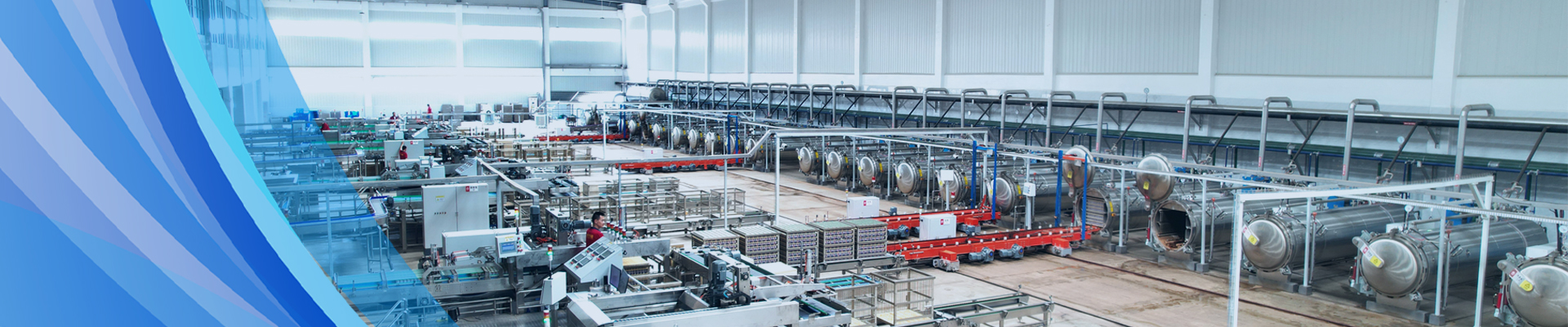

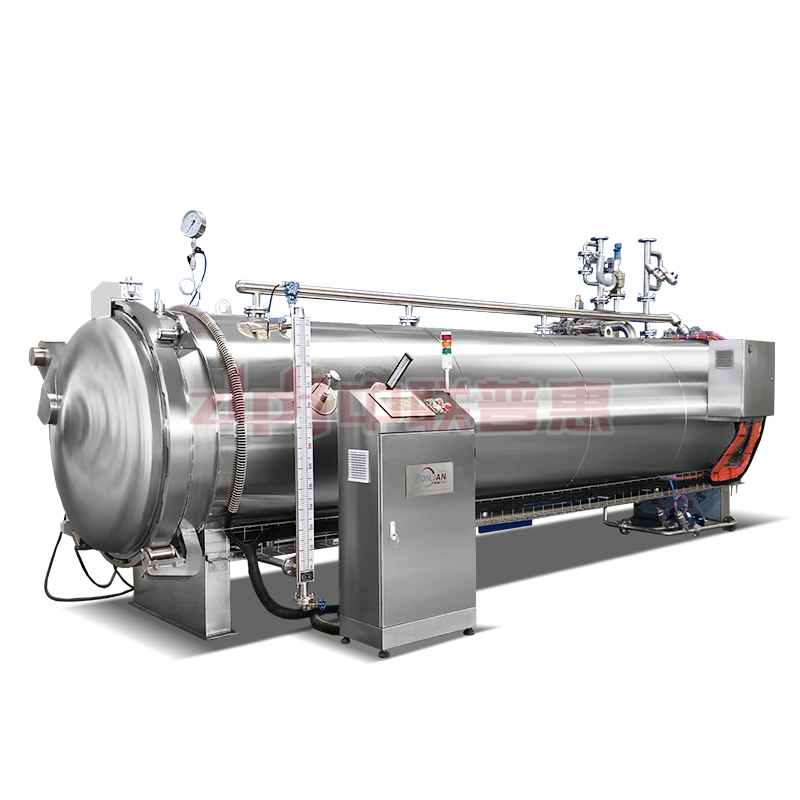
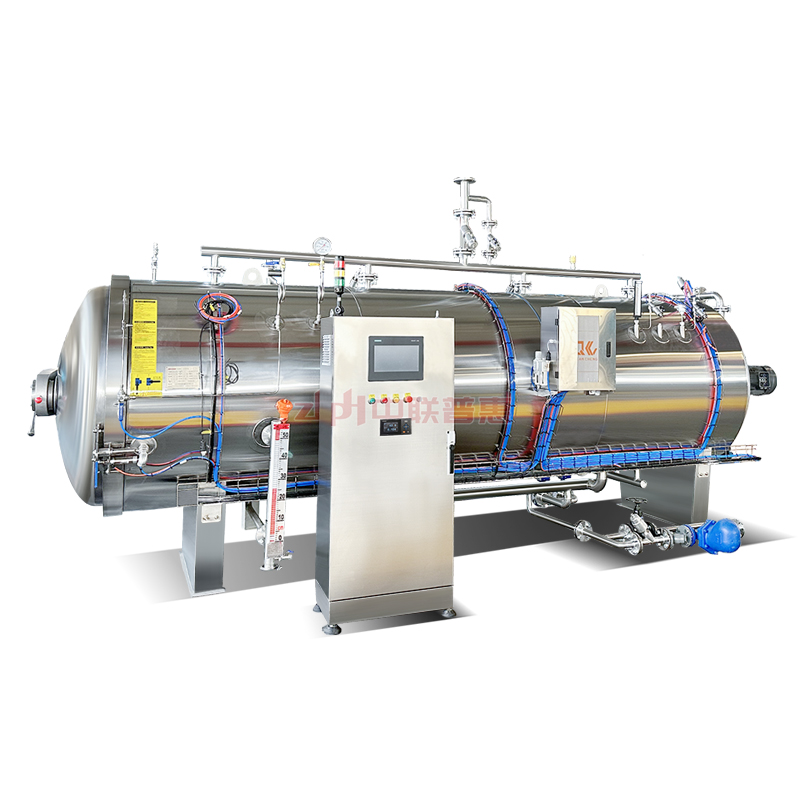
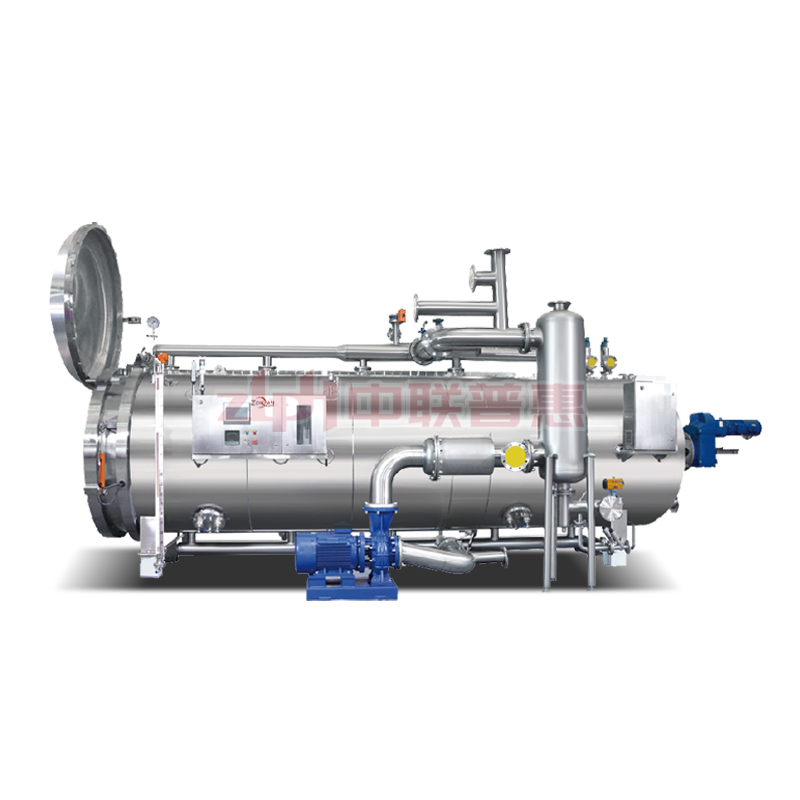
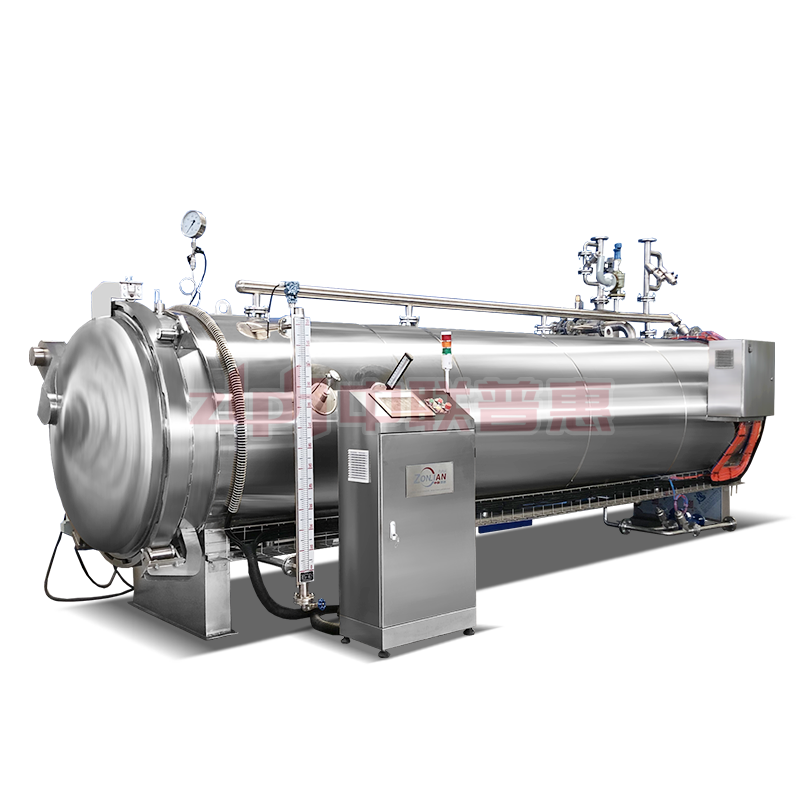
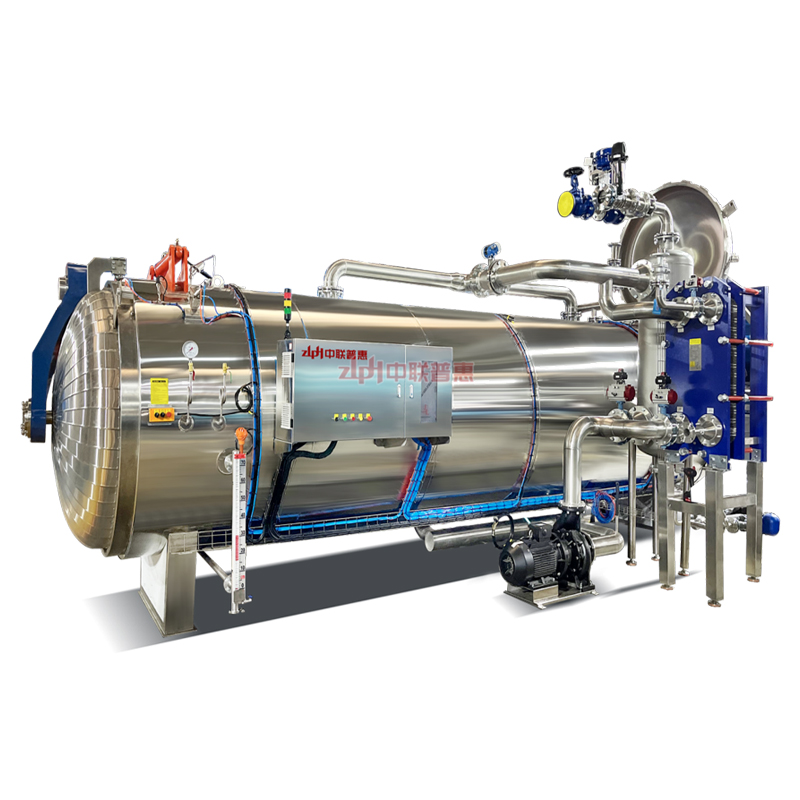
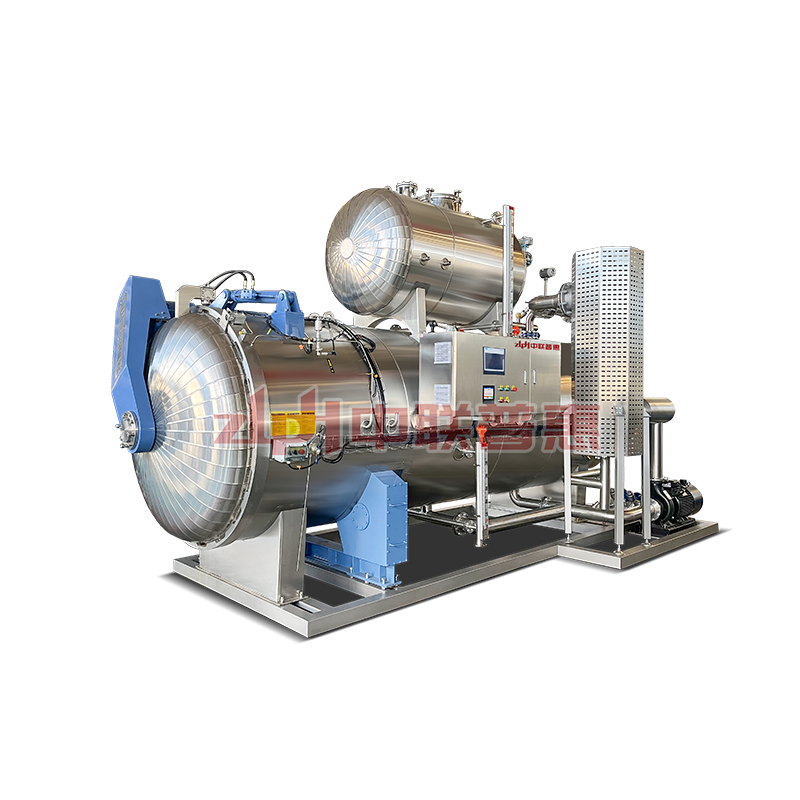
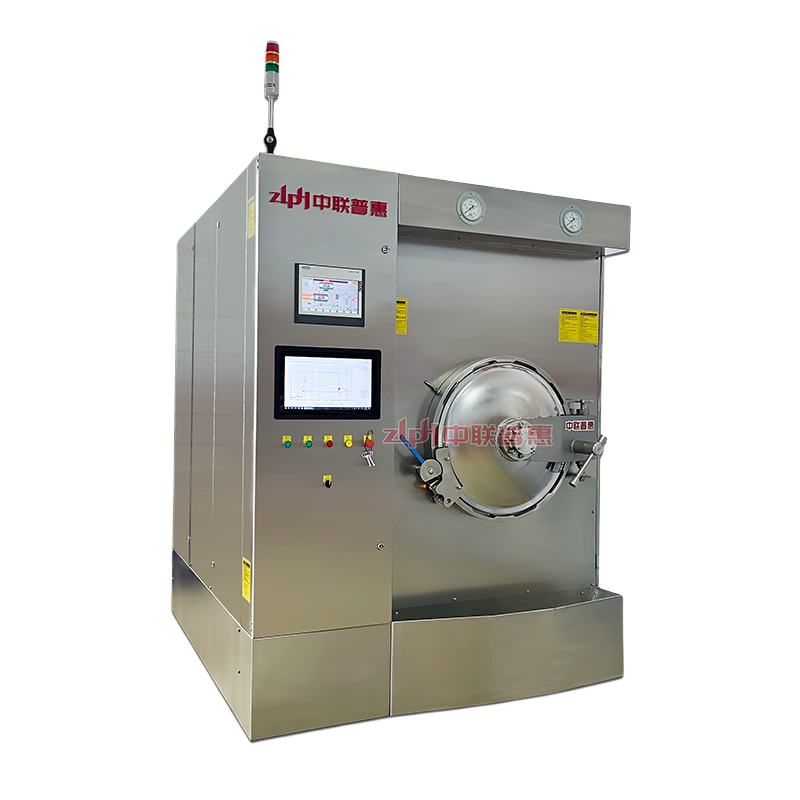
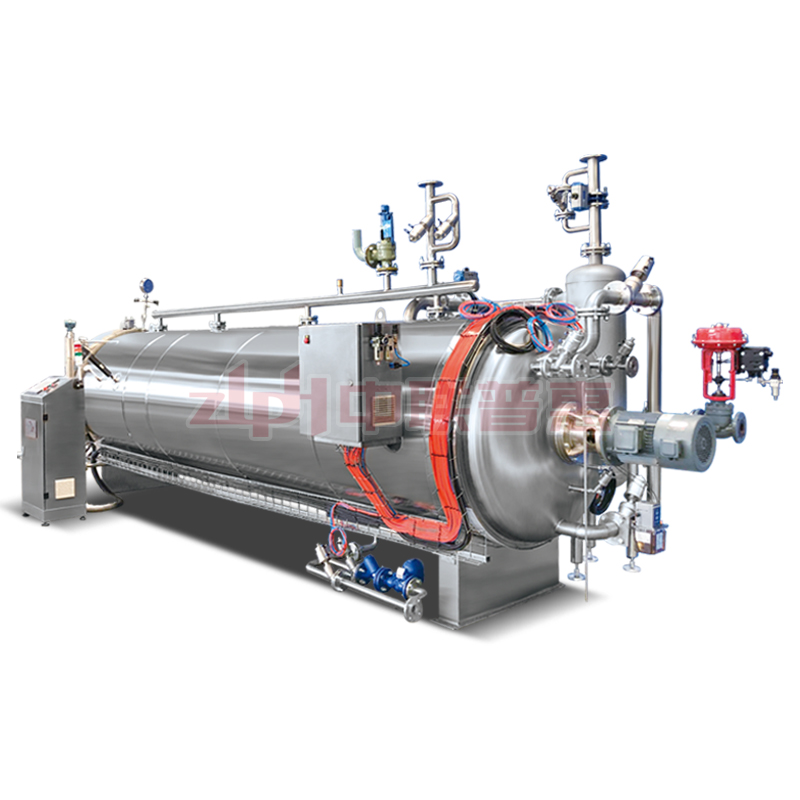
In the competitive world of canned fruit manufacturing, delivering products that are both safe and sensorially appealing hinges on one critical process: Commercial Sterilization. At the heart of this essential operation lies the retort autoclave, a sophisticated retort machine engineered to achieve the precise thermal treatment required for shelf-stable, high-quality fruit products. This advanced food retort machine represents far more than a simple heating vessel; it is a fully integrated system that orchestrates temperature, pressure, and time to eliminate pathogenic microorganisms while meticulously preserving the fruit's natural color, texture, and flavor. For any producer aiming to meet stringent global food safety standards and consumer expectations, mastering the operation of a modern retort autoclave is fundamental to success.
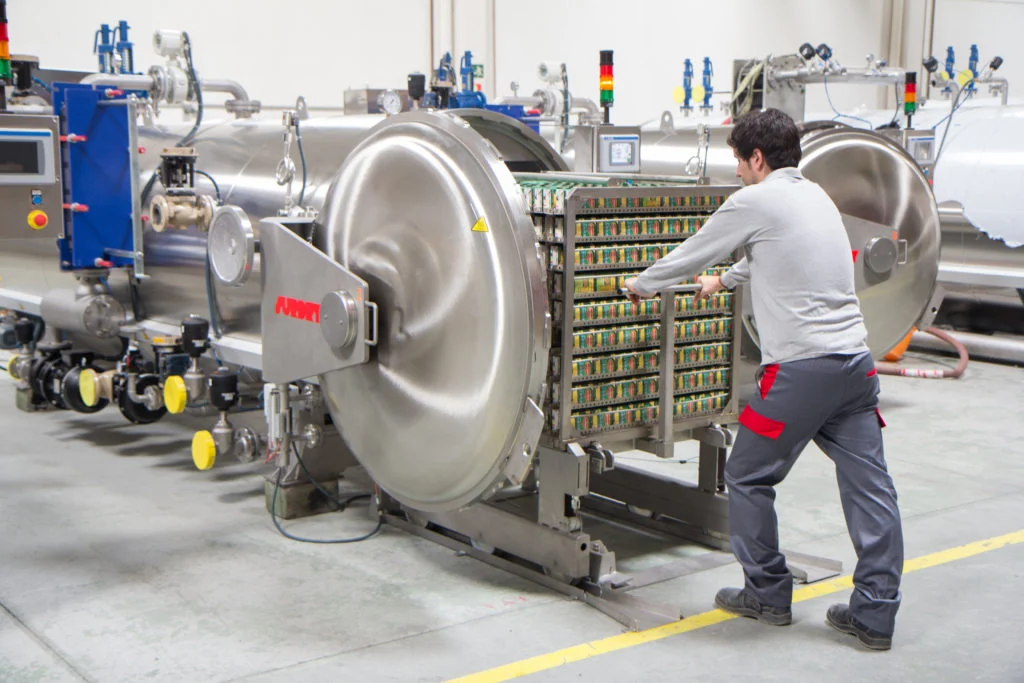
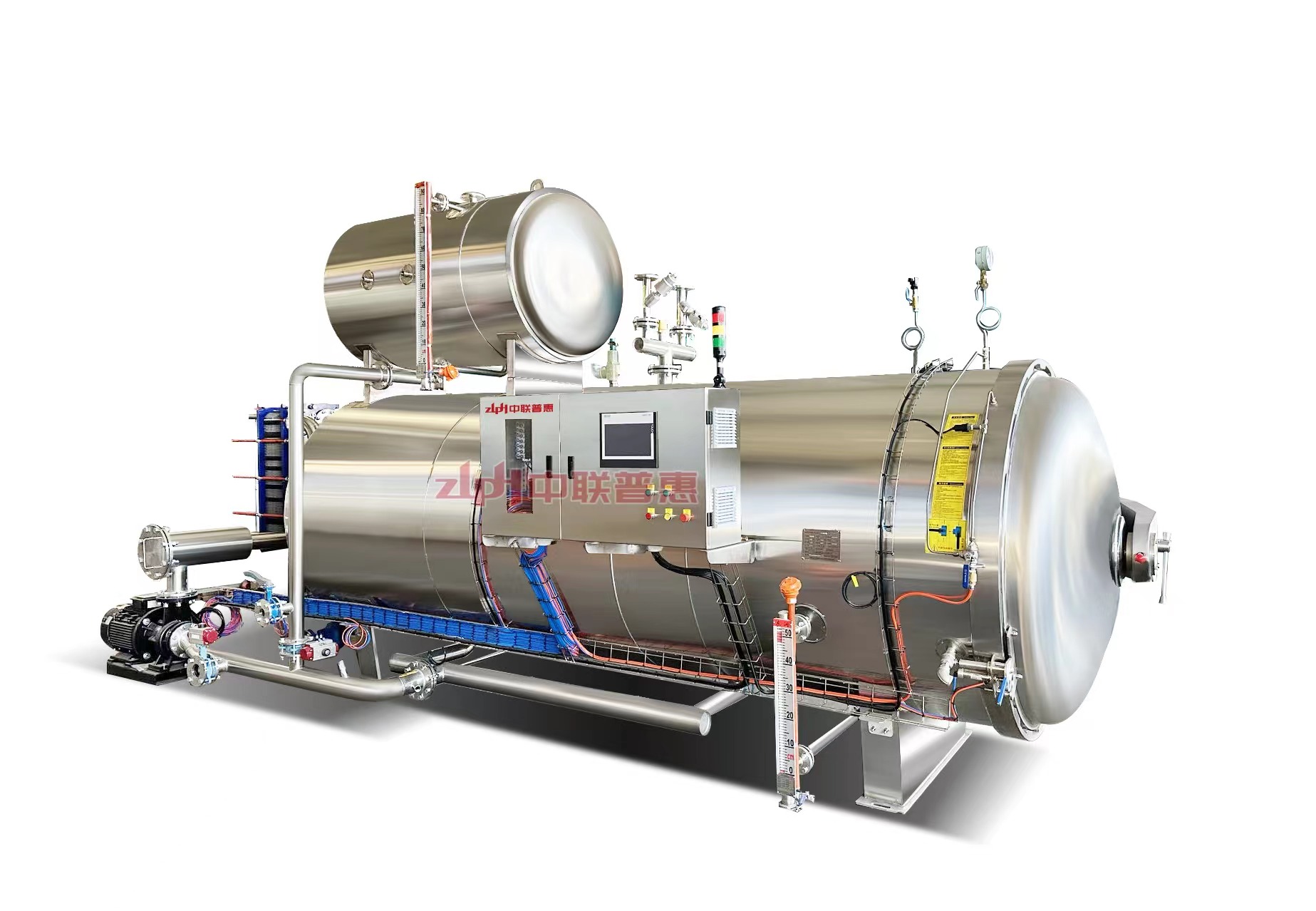
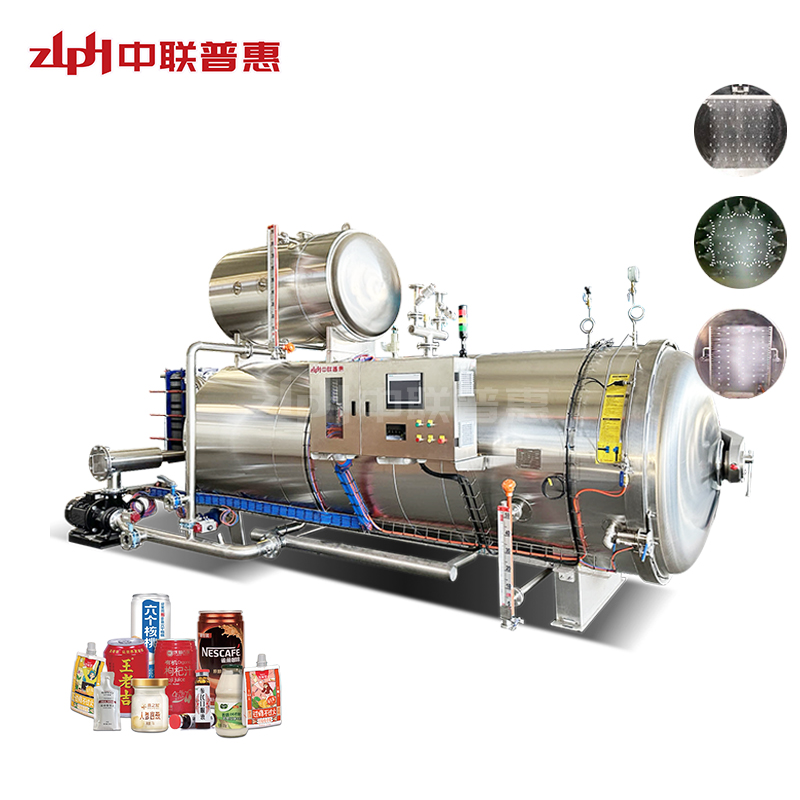
The journey to perfect Commercial Sterilization begins with the meticulous loading of sealed cans or jars into the retort machine. Once the heavy-duty door is securely sealed, creating a pressure-locked chamber, the process is initiated. Pre-heated sterilization water is pumped into the retort autoclave to a specified level. Concurrently, a portion of this water is often channeled through a high-efficiency heat exchanger into a network of spray pipes, setting the stage for the uniform heat distribution that is the hallmark of an effective food retort machine.
The core sterilization phase then commences. A powerful circulation pump drives the process water through one side of the heat exchanger. On the opposing side, steam is introduced, rapidly transferring thermal energy to raise the water to the exact temperature required for Commercial Sterilization. This hot water is atomized into a fine, enveloping spray that uniformly coats every container within the retort autoclave. This spray design is crucial; it prevents localized dddhhhhot spotsdddhhh and ensures that even densely packed loads receive identical thermal exposure. The entire process is governed by a sophisticated PID (Proportional-Integral-Derivative) control system, which continuously monitors temperature via multiple sensors and makes micro-adjustments to steam flow via a modulating film valve. This relentless precision is what allows the retort machine to deliver the consistent F0 values (lethality) necessary for verified Commercial Sterilization, effectively neutralizing spoilage organisms and pathogens like Clostridium botulinum.
Upon completing the mandated hold time, the system seamlessly transitions to the cooling phase—a critical step for quality preservation in a food retort machine. Steam injection ceases, and a cold-water valve opens, circulating coolant through the heat exchanger. This rapidly lowers the temperature of the process water and, consequently, the canned fruit inside the retort autoclave. Controlled cooling is essential; it halts the cooking process to prevent overcooking, thereby safeguarding the fruit's delicate structure and vibrant taste.
Finally, the cycle concludes with drainage and pressure equalization. The spent water is evacuated, and internal pressure is safely vented. Once the retort machine chamber returns to ambient conditions, the door can be opened, revealing a batch of perfectly processed canned fruit. The products are now commercially sterile, safe for ambient storage, and ready for labeling and distribution.
This detailed workflow underscores how a modern retort autoclave is a symphony of engineering and control. It transforms the complex challenge of Commercial Sterilization into a reliable, repeatable, and efficient operation. For canned fruit manufacturers, investing in such a food retort machine is not merely an equipment purchase; it is an investment in brand integrity, operational excellence, and consumer trust. In a market that demands both safety and quality, the retort autoclave stands as the indispensable guardian of every jar and can that reaches the grocery shelf.